
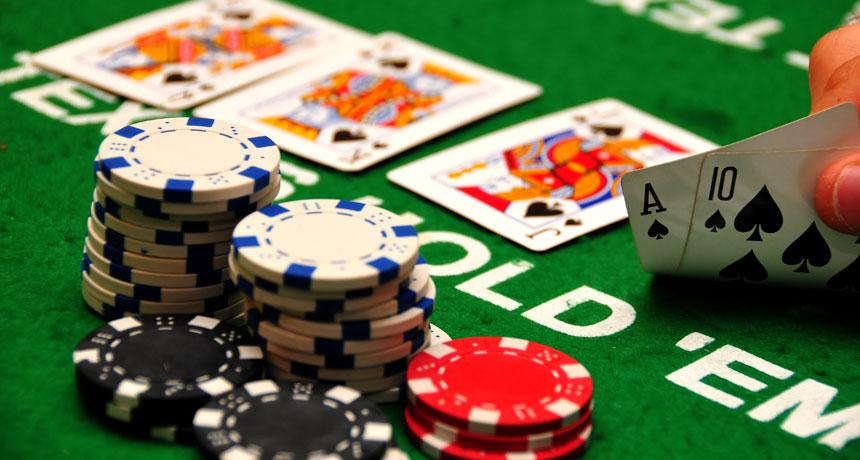
Poker is one of the most popular and strategic card games in the world, played in casinos, online platforms, and private games. Unlike many gambling games that rely mostly on luck, poker is a skill-based game where decision-making, psychology, and probability play a major role. This combination makes it both challenging and highly rewarding for players of all levels.
In this complete guide, we will explore how poker works, its main variants, essential strategies, and tips to help you improve your gameplay.
What Is Poker?
Poker is a competitive card game where players bet based on the strength of their hand. The goal is to either have the best hand at showdown or convince other players to fold before the showdown occurs.
If you want to explore more about بازی پوکر , you’ll see that it is not just a game of chance, but a deep strategic experience involving reading opponents and managing risk.
Basic Rules of Poker
Game Objective
The main objective in poker is to win chips or money by forming the strongest possible hand or by forcing opponents to fold through strategic betting.
Hand Rankings
Poker hands are ranked from highest to lowest as follows:
-
Royal Flush
-
Straight Flush
-
Four of a Kind
-
Full House
-
Flush
-
Straight
-
Three of a Kind
-
Two Pair
-
One Pair
-
High Card
Understanding hand rankings is essential for making correct decisions during the game.
Popular Types of Poker
Texas Hold’em
Texas Hold’em is the most widely played poker variant. Each player receives two private cards, and five community cards are placed on the table.
Players must create the best five-card combination using any combination of their cards and the community cards.
Omaha Poker
In Omaha, players receive four private cards instead of two. However, they must use exactly two of their hole cards and three community cards to form a hand.
Seven-Card Stud
In this version, there are no community cards. Each player receives a combination of face-up and face-down cards, and the best five-card hand wins.
How Poker Betting Works
Betting Rounds
Poker includes multiple betting rounds where players can:
-
Check
-
Bet
-
Call
-
Raise
-
Fold
Each decision affects your chances of winning the hand.
The Importance of Position
Your position at the table is crucial. Players who act later in a round have more information about their opponents’ actions, giving them a strategic advantage.
Essential Poker Strategies
Play Fewer Hands
One of the most common beginner mistakes is playing too many weak hands. A strong strategy focuses on quality over quantity.
Understand Opponents
Poker is not just about cards—it’s about people. Observing betting patterns, timing, and behavior can give you valuable insights.
Bluffing Strategy
Bluffing is an important part of poker, but it should be used carefully. A successful bluff depends on timing, table image, and opponent tendencies.
Bankroll Management
Proper money management is essential. Never risk more than you can afford to lose, and always set limits before playing.
Advanced Poker Tips
Use Pot Odds
Understanding pot odds helps you decide whether a call is mathematically profitable in the long run.
Avoid Emotional Play
Tilt (emotional frustration after losing) is one of the biggest reasons players lose money. Staying calm and disciplined is key.
Adapt Your Style
Good players adjust their strategy depending on opponents. Against aggressive players, you may play more defensively, while against passive players, you can be more aggressive.
Online Poker vs Live Poker
Online Poker
-
Fast-paced gameplay
-
Multi-table options
-
Easy access anytime
Live Poker
-
Real human interaction
-
Ability to read physical tells
-
Slower, more strategic pace
Both formats offer unique advantages depending on your preferences.
Common Mistakes in Poker
Playing Too Aggressively Without Strategy
Aggression is important, but without control, it leads to unnecessary losses.
Ignoring Position
Position is one of the most powerful advantages in poker and should never be ignored.
Poor Bankroll Management
Even skilled players lose money if they don’t manage their bankroll properly.
The Future of Poker
Poker continues to evolve with technology. Online platforms now offer live dealer games, AI-assisted analysis tools, and mobile-friendly experiences. The game is becoming more accessible while maintaining its strategic depth.
Conclusion
Poker is a unique blend of skill, strategy, and psychology. Unlike many بازی های کازینویی , your decisions directly impact your results, making it one of the most engaging games in the world.
By learning the rules, applying solid strategies, and practicing discipline, you can significantly improve your performance. Whether you play casually or competitively, poker offers endless opportunities to grow, learn, and enjoy the game.
